


Water damage incidents can happen at any time and in any area of a home or business. Even a small leak can lead to significant damage if not addressed quickly and properly.
Water can negatively affect many building materials within a property. For example, wood flooring and cabinetry may warp when exposed to excessive moisture or humidity. Drywall can become soft or brittle and may begin to grow mold when moisture is present.
Water damage can originate from a variety of sources, including plumbing failures, appliance leaks, roof leaks, HVAC issues, or natural events. During any water damage incident, it is critical to document what failed or caused the damage. If a plumbing fixture or appliance is responsible, it is strongly recommended to retain the damaged component so it can be presented to the insurance carrier during the claim adjustment
process.
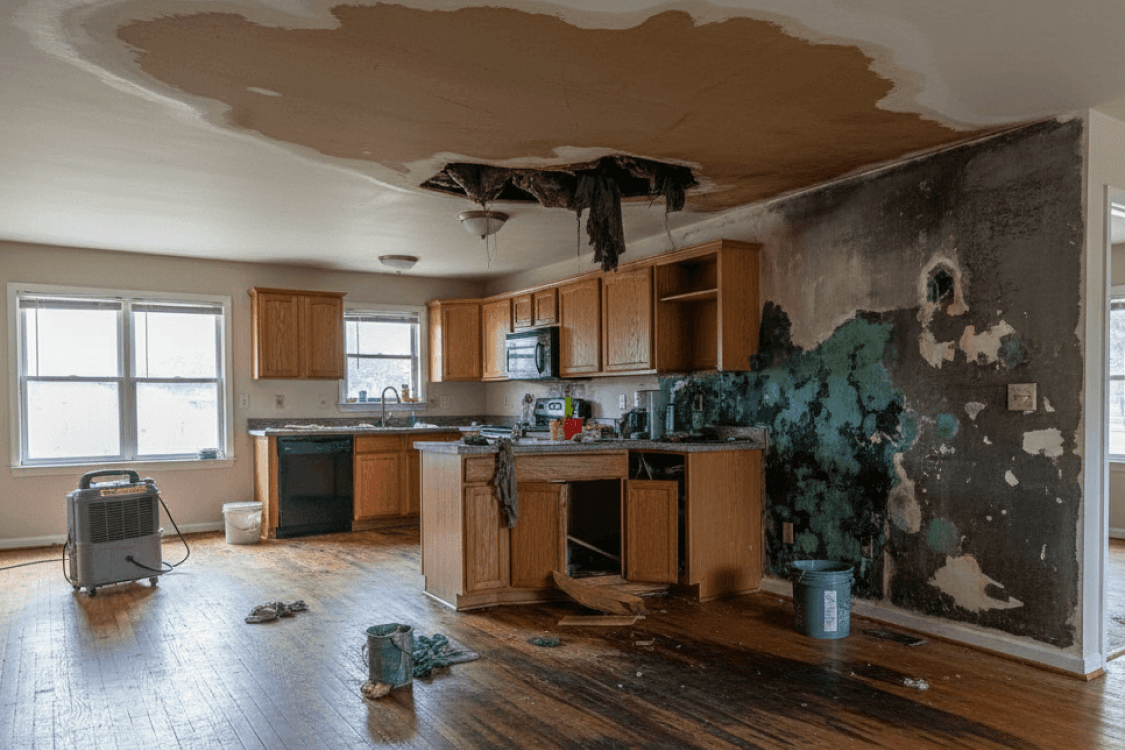
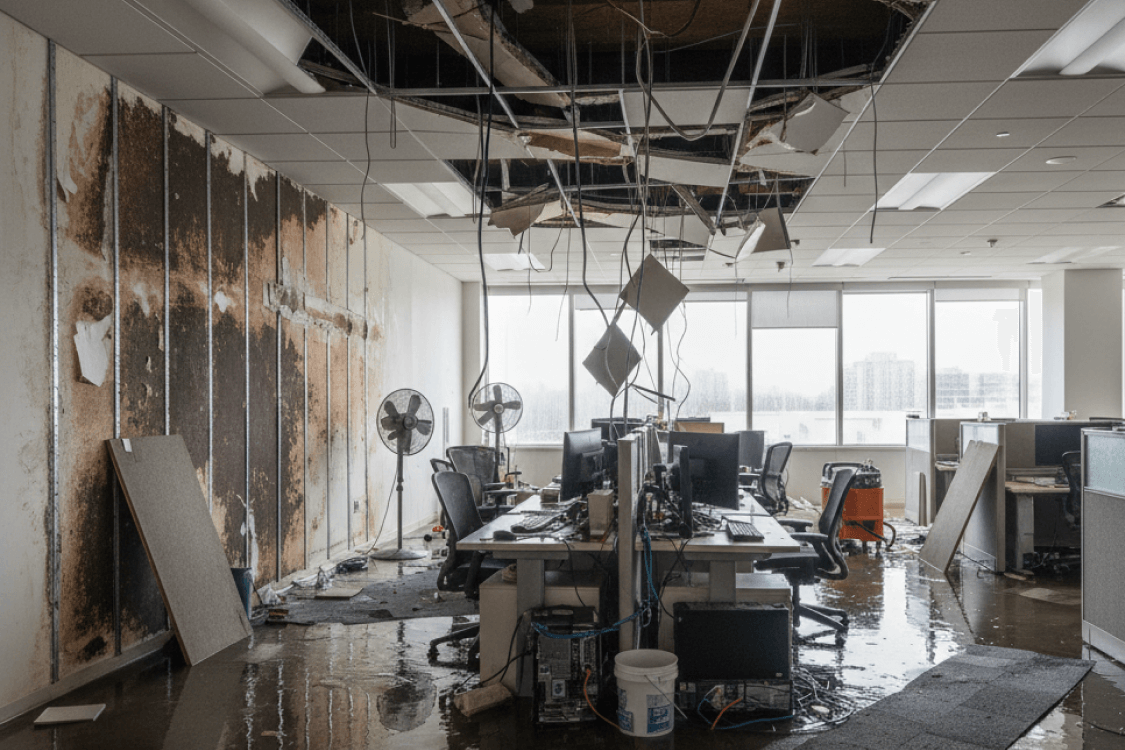

Documentation is Everything.
The sooner you hire a Public Adjuster, the more likely your claim will be thoroughly documented and properly prepared from the beginning.
All emergency services should be completed with the insurance policy in mind. Emergency services refer to actions taken to prevent further damage to the property—such as professional drying with dehumidifiers and air movers after a significant leak. Many insurance policies limit the amount payable for emergency or mitigation services. To avoid unexpected issues later in the claim process, having professional representation is essential.
Insurance policies vary by carrier, making it critical to have a qualified Public Adjuster review your specific policy to ensure accurate interpretation of coverage. Many policies now include separate caps or sub-limits for water damage claims. Understanding what is covered before proceeding can make a significant difference in the outcome of your claim.